SDG 1 No Poverty
The University recognises the importance of sustainability and its increasing impact to our operations. We are committed to understanding and implementing sustainable practices and to exploring the benefits to the University whilst attempting to achieve the right balance between the needs of the wider community and our focus on delivering quality education to our students.
1.4 Community anti-poverty programmes
1.4.1 Local start-up support (education and resources)
In 2025, the University extended its anti-poverty efforts into the local community through the UoC Community Enterprise Programme, a free programme for local B40 micro-entrepreneurs. The programme covered business planning, digital marketing, food-safety certification and bookkeeping, and each participant was mentored by a faculty lecturer.
To give these businesses a route to customers, more than 20 local micro-businesses were also given space at the University's monthly campus bazaars, providing them with direct access to the University's student and staff community as a market for their products and services.
1.4.2 Local start-up financial assistance
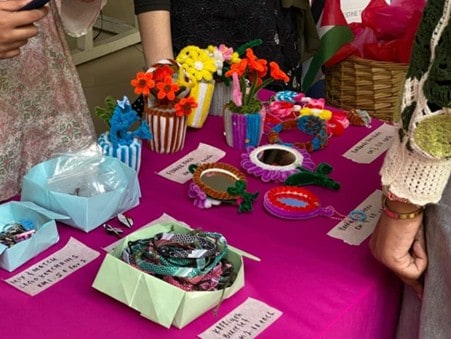
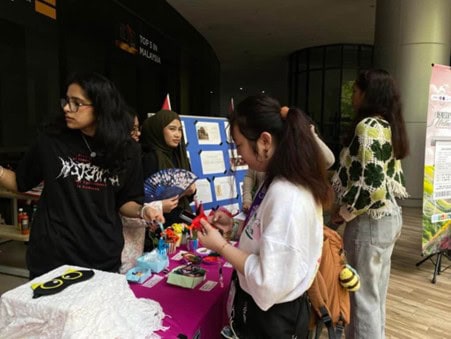
The booths for preloved items, clothing, and beeswax wraps held during the SDG Week 2024 were designed to support local entrepreneurs in showcasing their products and gaining visibility in the market. This event created opportunities for participants to generate financial income by allowing them to sell sustainable and eco-friendly products. Through the booth setup, participants had the chance to attract customers and potential investors, thus providing a stepping stone for financial independence and growth for their small businesses.
By offering a platform for local entrepreneurs, our university contributed to financial assistance for start-ups, enabling participants to fund their businesses and further develop their entrepreneurial skills. The event’s success demonstrated the importance of community-driven initiatives, where local businesses receive the visibility and support they need to thrive in a competitive market, while also promoting sustainable practices.


1.4.3 Programmes to improve access to basic services
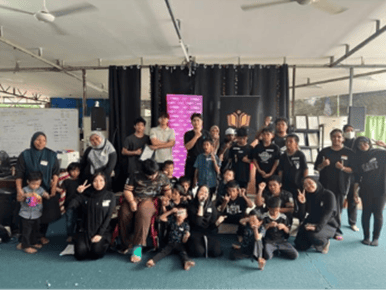
In 2025, the University ran programmes giving disadvantaged communities direct access to food, hygiene, education essentials and life-saving skills. These included food and toiletry packs for 60 homeless people at Pusat Khidmat Gelandangan Medan Tuanku in Chow Kit, 'Back to School' kits for asnaf children in Puchong matched to Lembaga Zakat Selangor eligibility, and first-aid and CPR training for 55 orphans at Rumah Kebajikan dan Bimbingan At-Taqwa.
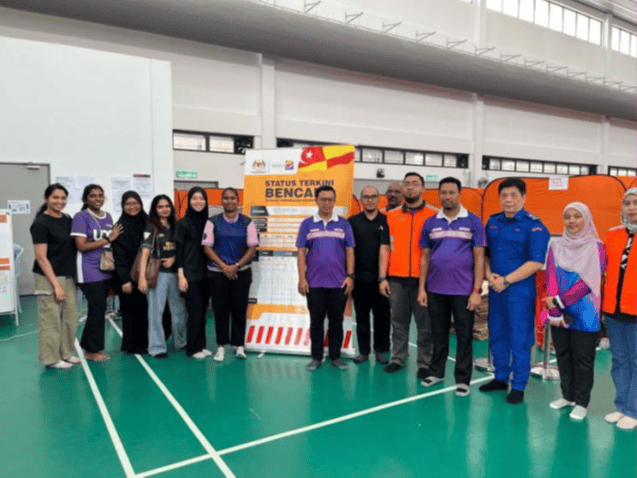
Indirectly, students supported the Putra Heights fire relief in April 2025, distributing hygiene kits to 305 displaced residents alongside Jabatan Kebajikan Masyarakat (JKM) and providing psychological first aid with MyCARE-KEMAS, and redistributed rescued surplus food through Kechara Food Bank to Rumah Kasih Harmoni. In total, more than 1,700 people were reached across 22 community outreach programmes for disadvantaged groups in 2025.
1.4.4 Policy making on poverty
At national level, Prof Dr Rosnah Ismail contributed subject-matter expertise to the Ministry of Women, Family and Community Development (KPWKM) and the National Population and Family Development Board (LPPKN) on endometriosis and family well-being, including through the 'Jalinan Kasih Memenuhi Harapan' programme held with MyEndosis and UTAR on 15 May 2025. Her input supported national efforts to reduce the health and financial burden the condition places on women and low-income families.
At local level, Year 3 MBBS Community Medicine students shared their 2025 findings on childhood injury and children's gadget use in Kampung Baru Sepang Jaya and Kampung Parit Bakar, Muar, with Pejabat Kesihatan Daerah Sepang and Muar. The district health offices took these findings into account in planning community health programmes for low-income households in the two districts.


