Sustainable Development Goals (SDGs) are 17 global goals set by the United Nations General Assembly in 2015 be achieved by 2030 for a better world. SDGs covers a wide range of social, economic, and environmental issues to be addressed collectively by all sections of society. It is a universal call to action to end poverty, protect the planet and ensure that all people enjoy peace and prosperity. Goals are interconnected, often the key to success on one goal will involve tackling issues more commonly associated with another. Educational institutions play an essential role in imparting education in sustainability among children and youths to tackle social, economic, and environmental challenges in businesses and community
3.3 Collaborations and health services
THE Impact Rankings 2027 · SDG 3 Good Health and Well-being · Indicator 3.3
How the University of Cyberjaya meets THE Impact Rankings indicator 3.3
· Data year 2025
Health is where the University of Cyberjaya began, and it remains at the heart of what we do. We work with health institutions from district clinics to the World Health Organization, take health education and care into the communities around us, and make sure our own students and staff can get the physical and mental health support they need, free of charge.
This page explains, question by question, how the University meets the seven parts of THE Impact Rankings indicator 3.3, Collaborations and health services. For each question we set out what we do, how it meets the question's objective, and the programmes and services behind it. Each initiative links to the SDG Impact Report where it is described in full.
14
health institutions we worked with, local to global
3,100+
people reached by our health outreach in 2025
120 hrs
free sports-facility time a month for students, per facility type
85%
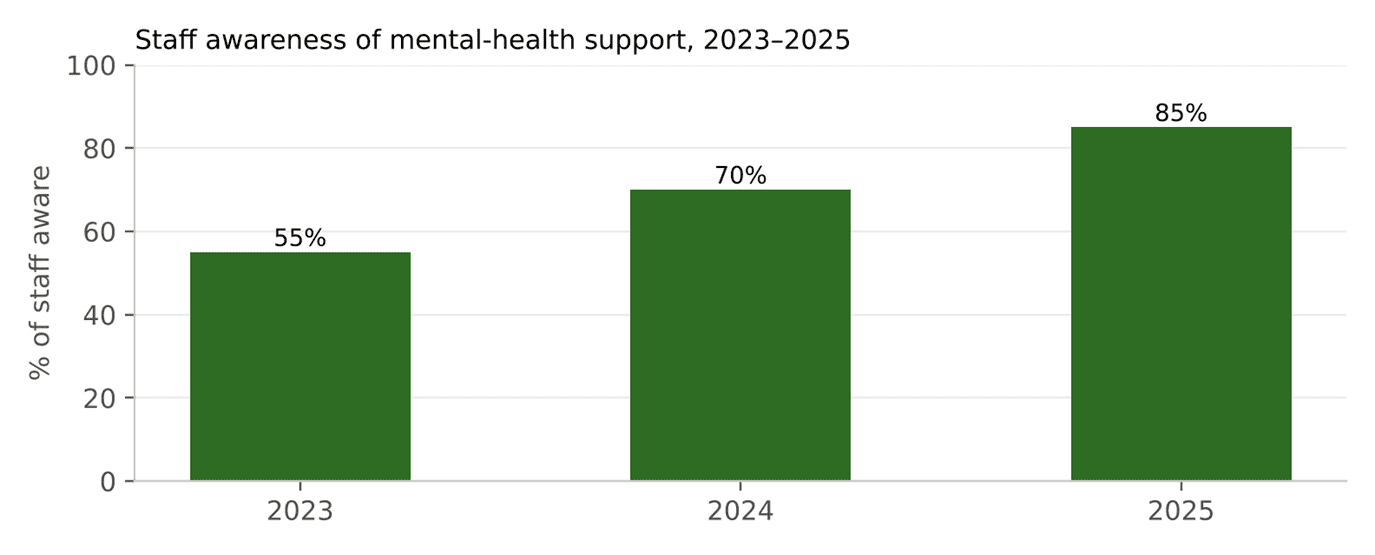
of staff aware of mental-health support, up from 55% in 2023
How to read this page: Each section quotes THE’s question, gives our answer, explains how our work meets it, and summarises the initiatives behind it. “Read more” points to the page of the SDG Impact Report where each initiative is described in full.
3.3.1 Collaborations with Health Institutions
THE QUESTION
Does your university as a body have current collaborations with local, national or global health institutions to improve health and wellbeing outcomes? (local collaborations, national collaborations, global collaborations)
OUR ANSWER
Yes, at all three levels. In 2025 the University worked with 14 health institutions, from district health offices and clinics to the National Blood Bank, the National Cancer Society Malaysia, the Pharmacy Council of India and the World Health Organization.
How we meet this question
Locally, the University's community medicine programmes are planned and delivered with the Sepang and Muar district health offices and their health clinics, which use our students' findings to plan their own programmes. Nationally, we work with the National Blood Bank, Hospital Putrajaya, the Medical Device Authority and the National Cancer Society Malaysia (NCSM), among others.
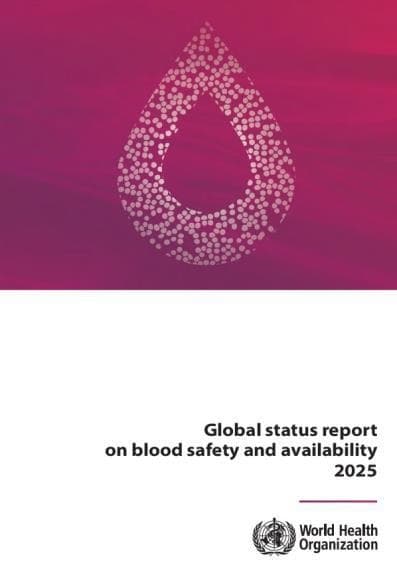
Globally, Dr Noryati Abu Amin, a University transfusion medicine consultant, was appointed in 2025 to the World Health Organization's Advisory Group on Blood Regulation, Availability and Safety. On 22 May 2025 the University hosted ICBTMH 2025, the 4th International Conference on Integrative Chemistry, Biology, Translational Medicine and Health, with the Pharmacy Council of India and NCSM, on the theme 'Bridging Science for Global Health Solutions'. Two memoranda of understanding were signed there: with KVSR Siddhartha College of Pharmaceutical Sciences, India, on joint research, innovation, and student and researcher exchanges, and with the Pharmacy Council of India, supporting international accreditation of the University's pharmacy programme and academic collaboration.
Collaborations with health institutions, 2025
Level
Institution
Collaboration
Local
Pejabat Kesihatan Daerah Sepang; Klinik Kesihatan Salak
Research-led community health programmes; findings used in district planning
Local
Pejabat Kesihatan Daerah Muar; Klinik Kesihatan Maharani, Parit Jawa and Parit Bakar
Research-led community health programmes; anti-smoking day in Parit Jawa
National
National Blood Bank (Pusat Darah Negara)
Campus blood donation drive: 43 donations
National
Hospital Putrajaya
Volunteering on the paediatric oncology ward
National
Medical Device Authority
Joint research on medical device policy; awareness programme on campus
National
National Cancer Society Malaysia
Co-organiser of ICBTMH 2025; tobacco control
National
Malaysian Red Crescent Society; Be Vital
Health screening and first aid for Rohingya refugees
Global
World Health Organization
Advisory Group on Blood Regulation, Availability and Safety; contributor to two WHO reports
Global
Pharmacy Council of India
Co-organiser of ICBTMH 2025; MoU on accreditation and academic collaboration
Global
KVSR Siddhartha College of Pharmaceutical Sciences, India
MoU on joint research, innovation and exchanges
Global
UNFPA
Research on the reproductive health needs of Rohingya refugees
ICBTMH 2025: Bridging Science for Global Health Solutions
22 May 2025 · Pharmacy Council of India, National Cancer Society Malaysia, KVSR Siddhartha College
SDG 3 · Good Health and Well-beingSDG 17 · Partnership for the Goals
The University hosted the 4th International Conference on Integrative Chemistry, Biology, Translational Medicine and Health for health professionals, researchers and health institutions, and signed MoUs with the Pharmacy Council of India and KVSR Siddhartha College of Pharmaceutical Sciences.
Advising the World Health Organization on blood safety
From 14 September 2025 · World Health Organization
SDG 3 · Good Health and Well-beingSDG 9 · Industry, Innovation and Infrastructure
Dr Noryati Abu Amin helps shape WHO's policy frameworks and technical guidance on blood regulation, availability and safety, and contributed to two WHO global reports.
Working with the Sepang and Muar district health offices
January – August 2025 · PKD Sepang, PKD Muar and five health clinics
SDG 3 · Good Health and Well-being
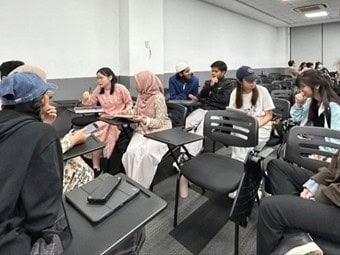
Third-year medical students research community health needs and design programmes with the district health offices, which use the findings in their own planning.
Does your university as a body deliver outreach programmes and projects in the local community (which can include student volunteering programmes) to improve or promote health and wellbeing, including hygiene, nutrition, family planning, sports, exercise, ageing well and other health and wellbeing topics? (local communities, disadvantaged people, refugee or immigrant communities)
OUR ANSWER
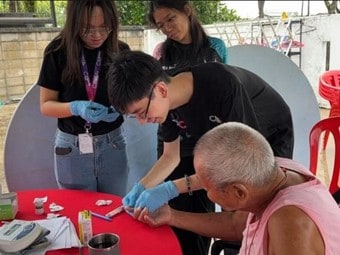
Yes. In 2025 the University ran 46 health and well-being activities reaching more than 3,100 people, for local communities, disadvantaged groups and refugees, on topics from nutrition and hygiene to mental health, medicine safety and ageing well.
How we meet this question
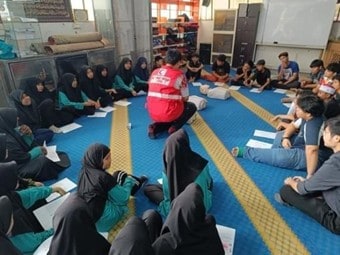
The University's health outreach is led by students and faculty, and much of it is built into the curriculum. Medical students research a community's health needs before designing a programme with the local health services; pharmacy students teach medicine safety; psychology students run mental-health and emotional-wellness programmes; and Young Mercy groups take health checks, first aid and hygiene education to children's homes and care homes.
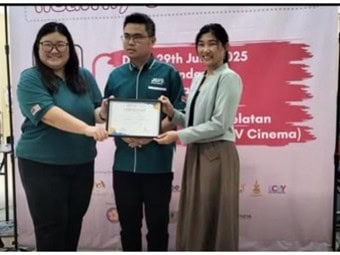
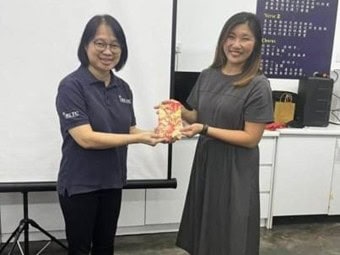
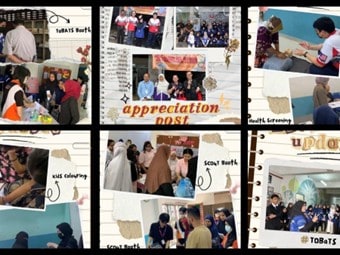
For refugee communities, pharmacy students ran Karnival Mesra Ubat 2025 for Rohingya refugees, which won the Best Public Health Campaign award at the MyPSA Public Health Campaign Challenge among 11 campaigns nationwide. For disadvantaged families, the Faculty of Psychology and Social Sciences ran two workshops with Beacon Life Training Centre, on parent-child communication and on stress and self-care for caregivers, and raised RM1,000 for the centre.
Health outreach by topic, 2025
Topic
Programmes
Reach
Nutrition
Healthy-eating programmes in Taman Seroja and Bakri
118 residents and villagers
Hygiene
Handwashing education at Rumah Bakti Nur Ain
25 children
Medicine safety
Karnival Mesra Ubat; medicine education in Bukit Jalil; medicine reviews at Kenang Budi
141 refugees; 30 children; 20 elderly residents
Ageing well
Health checks at Kenang Budi and Unique Family Care Home
40 elderly residents
Mental health and wellness
Public mental-health events; school programmes; Beacon Life workshops; Crossroads
More than 1,000 people, including 790 refugees
Smoking and family health
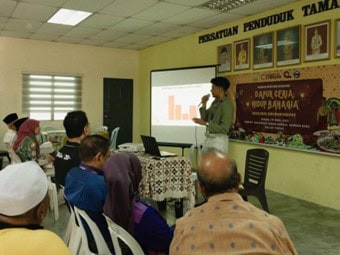
Hapuskan Asap in Parit Jawa; home-safety and screen-time programmes
More than 500 residents
Physical activity and first aid
Activities for children with special needs; first aid and CPR training
SDG 3 · Industry, Good Health and Well-BeingSDG 9 · Industry, Innovation and InfrastructureSDG 10 · Industry, Reduced Inequalities
Two workshops: 'Love Workbook: Learning to Express Together with Your Child', led by Assoc Prof Dr Crendy Tan Yen Teng, and 'Caring for the Caregiver: Managing Stress and Self-Care', led by Ms Lim Jia Hang. The faculty also raised RM1,000 for the centre.
2025 · Humanitarian Aid Selangor Society, Red Crescent, Be Vital
SDG 3 · Good Health and Well-beingSDG 10 · Industry, Reduced Inequalities
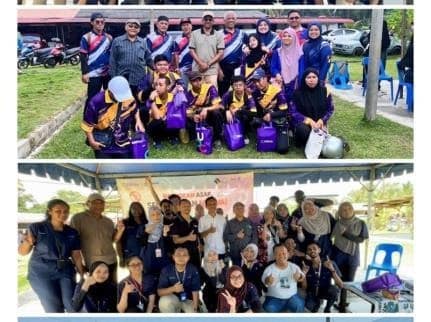
The 'Tolak Ubat Tidak Sah' booth, free health screening and a mobile clinic for 141 Rohingya refugees. The campaign won Best Public Health Campaign at the national MyPSA Public Health Campaign Challenge.
3.3.3 Sharing Sports Facilities with the Community
THE QUESTION
Does your university as a body share sports facilities with the local community, for instance with local schools or with the general public?
OUR ANSWER
Yes. The University's sports facilities are open free of charge to local schools and community groups, with 2,450 community visits in 2025, and a three-year partnership with Majlis Perbandaran Sepang gives students shared use of the community's sports club at Taman Tasik Cyberjaya.
How we meet this question
The University opens its own sports complex, fields and courts to local schools and community groups free of charge, and recorded 2,450 community visits in 2025.
It also shares facilities with the community through a three-year agreement with Majlis Perbandaran Sepang (MPSepang), from 1 February 2024 to 31 January 2027, for shared use of Kelab Komuniti Taman Tasik Cyberjaya. The University pays an annual fee of RM22,000 so that its students can use the club's facilities free of charge, alongside residents, on presenting their matriculation cards. Each type of facility is allocated 120 free hours a month for students. The arrangement makes good use of a public resource, keeps sport affordable for students and encourages an active, healthy lifestyle across the Cyberjaya community.
Shared use of Kelab Komuniti Taman Tasik Cyberjaya
Feature
Detail
Partner
Majlis Perbandaran Sepang (MPSepang)
Term
1 February 2024 to 31 January 2027
University contribution
RM22,000 a year
Student access
Free on presenting an active matriculation card; 120 hours a month per facility type
Facilities
Indoor futsal, badminton, squash and tennis courts; ping pong tables; basketball and beach volleyball courts; multipurpose hall; adult swimming pools
3.3.4 Sexual and Reproductive Health Care for Students
THE QUESTION
Does your university as a body provide students access to sexual and reproductive health-care services including information and education services?
OUR ANSWER
Yes. Students have free, confidential access to sexual and reproductive health care, information and education through the on-campus Medical Support Centre, with 612 consultations in 2025.
How we meet this question
The University's on-campus Medical Support Centre provides students with medical consultations, emergency support and recuperation wards staffed by trained health professionals. Its services include confidential sexual and reproductive health consultations, information and education, and referral for testing, alongside suicide prevention help and support for substance misuse.
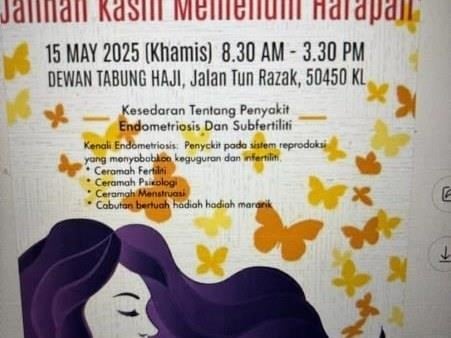
Consultations are free for students, and the centre recorded 612 sexual and reproductive health consultations in 2025. The University's wider work on women's health, including a national forum on endometriosis with KPWKM, LPPKN and MyEndosis, informs the information the centre provides.
Does your university as a body provide students with access to mental health support? (active promotion of good mental health; access to free mental health support)
OUR ANSWER
Yes, both. The UoC Health & Psychology Clinic gives students free psychotherapy, psychological assessment and mental-health screening, with 1,870 counselling sessions in 2025, and the University actively promotes good mental health on campus and in the community.
How we meet this question
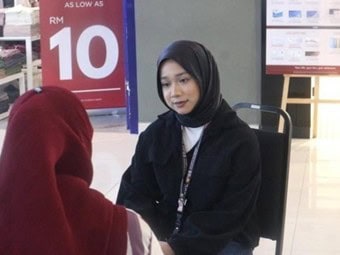
Free support: the UoC Health & Psychology Clinic provides psychotherapy, psychological assessments and mental-health screening, delivered by clinical psychology and counselling professionals using evidence-based care. Students can also reach a 24-hour helpline and peer Listening Tables run by trained psychology students. In 2025 the clinic provided 1,870 counselling sessions to students.
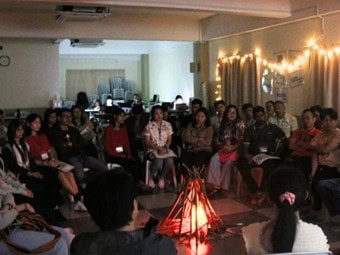
Active promotion: psychology students and staff run mental-health awareness events throughout the year, from listening booths and talks to school transition camps, and students learn to recognise distress and support their peers
Does your university as a body have a “smoke-free” policy?
OUR ANSWER
Yes. Under its Tobacco-Free Campus Policy, in force since 2019 and revised in 2025, the University prohibits all students, staff and visitors from using any tobacco product or electronic smoking device anywhere on campus, at any time.
How we meet this question
The University of Cyberjaya is a smoke- and tobacco-free institution. The Tobacco-Free Campus Policy, first adopted in 2019 and revised in 2025 to cover vapes and other electronic smoking devices, applies to everyone on campus, at all times and in all places, and free support is offered to students and staff who want to quit.
Students help enforce and promote the policy: the Nature and Society Club runs a Smoke-Free Campaign on campus. The University also takes the message into the community, through its medical students' anti-smoking work in Parit Jawa and Taman Mawar and its collaboration with the National Cancer Society Malaysia.
Does your university as a body provide staff with access to mental health support? (active promotion of good mental health; access to free mental health support)
OUR ANSWER
Yes, both. Staff across the Cyberjaya Education Group have free, confidential access to counselling and psychological care at the UoC Health & Psychology Clinic, and staff awareness of this support has risen from 55% in 2023 to 85% in 2025.
How we meet this question
Free support: the UoC Health & Psychology Clinic serves staff across the Cyberjaya Education Group with free, confidential counselling and psychological care, alongside general medical support. In 2025, 214 staff took part in the University's staff well-being programme.
Active promotion: the University has steadily built up its staff mental-health provision and raised awareness of it. Since 2023 it has moved from basic counselling to fully integrated mental-health services, and from an annual well-being survey to real-time feedback and personalised support. Staff awareness of the support available rose by 30 percentage points over the period.
Staff mental-health support, 2023–2025
Year
Services
Staff awareness
Monitoring
2023
Basic counselling
55%
Annual well-being survey
2024
Psychological and general medical support
70%
Twice-yearly surveys
2025
Fully integrated mental-health services
85%
Real-time feedback and personalised support
Staff awareness of the mental-health support available rose by 30 percentage points between 2023 and 2025.