

Bridging Anatomy, Technology, and Clinical Practice in Medical Education at UOC
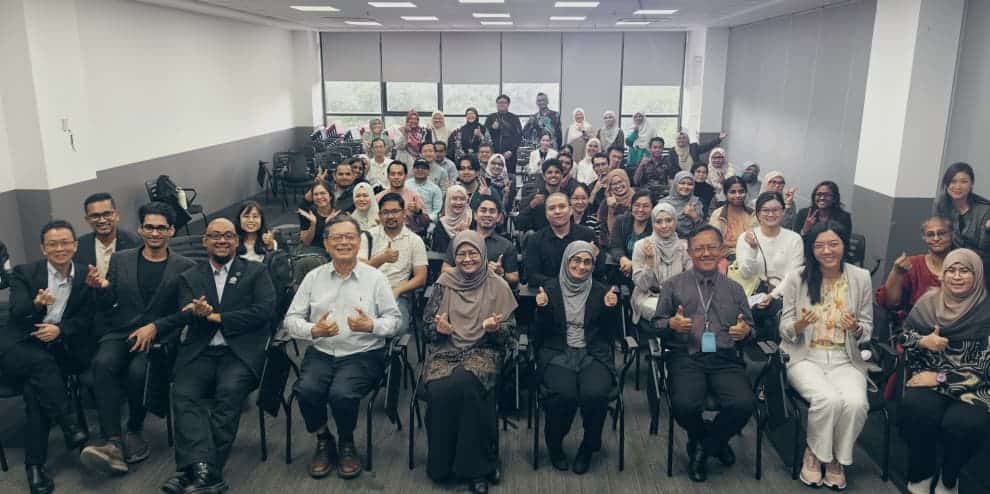
Connecting foundational medical knowledge with technology, clinical practice, and lifelong learning
Anatomy remains a cornerstone of medical education, providing the foundation for clinical examination, diagnosis and patient care. As healthcare continues to evolve through new technologies, the ability to apply anatomical knowledge in clinical settings has become increasingly important in preparing healthcare professionals for modern practice.
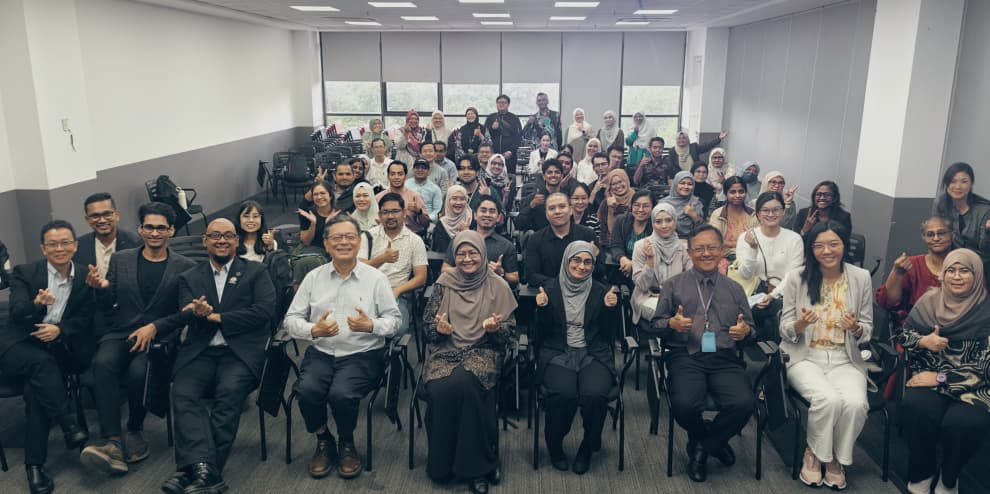
This was demonstrated through the Basic Musculoskeletal Ultrasound Workshop with Anatomy Correlation, organised by the Faculty of Medicine, University of Cyberjaya (UOC) in collaboration with the Malaysian Society of Rheumatology, led by the Rheumatology Department of Hospital Putrajaya. The two-day workshop brought together expertise in anatomy, rheumatology and musculoskeletal ultrasound, giving participants the opportunity to strengthen their knowledge before applying it through practical scanning.
Building a stronger foundation for clinical practice
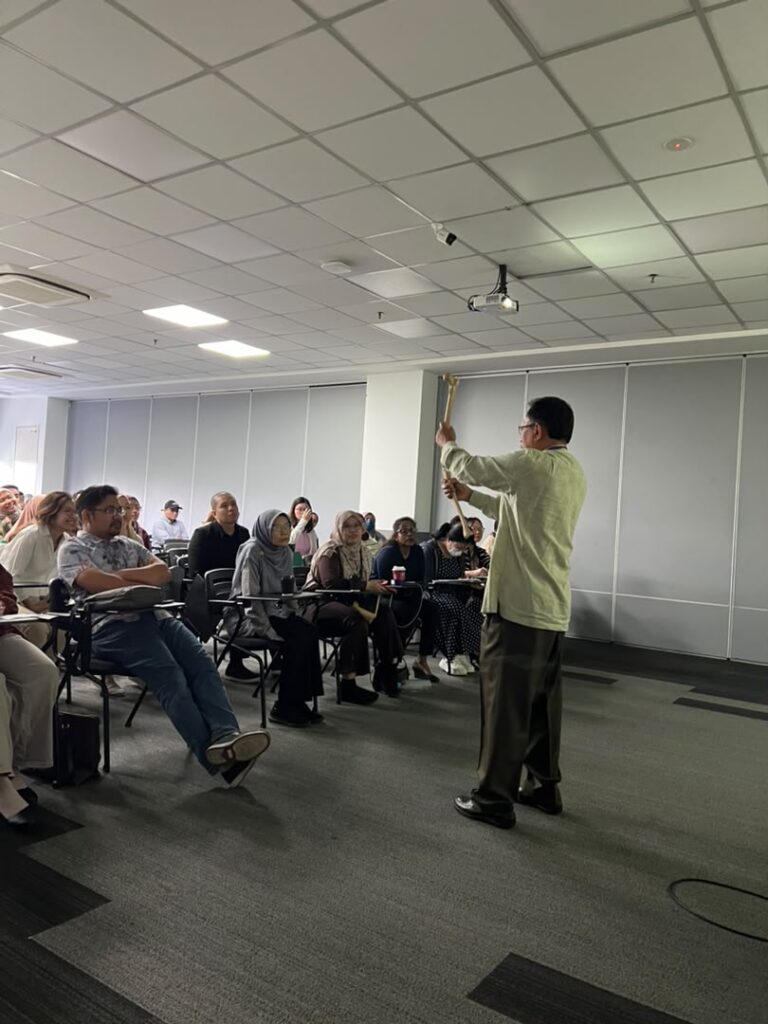
The workshop began with the anatomical principles underpinning musculoskeletal assessment. Led by Professor Dr Nasaruddin Abdul Aziz, a senior lecturer at the Faculty of Medicine, the anatomy component comprised five lectures covering functional anatomy and its clinical applications, supported by skeletal specimens, demonstrations and detailed illustrations.
This approach enabled participants to revisit anatomical structures, relationships and movement patterns in a practical context, strengthening their ability to relate foundational knowledge to clinical assessment. Establishing this foundation before introducing ultrasound also demonstrated how effective use of medical technology depends on a strong understanding of the science behind it.
From understanding anatomy to developing practical skills
Building on this foundation, participants progressed to hands-on ultrasound scanning, applying concepts covered during the anatomy sessions to identify and interpret structures in real time.
Through practical exposure, participants developed their understanding of how tendons, ligaments, muscles and joints appear on ultrasound, strengthening the connection between anatomical knowledge and clinical observation. UOC’s teaching facilities, including ultrasound equipment and large display screens, further supported demonstrations and practical learning.
Together, the anatomy teaching and imaging sessions reflected the Faculty of Medicine’s ability to integrate scientific knowledge, expert instruction, and practical skills development, enhancing participants’ understanding and confidence in applying anatomy to clinical practice.
Strengthening learning through clinical expertise
This practical learning was further strengthened through collaboration between academia and clinical practice. UOC faculty members worked alongside rheumatology specialists, giving participants opportunities to gain perspectives from both educational and clinical environments.
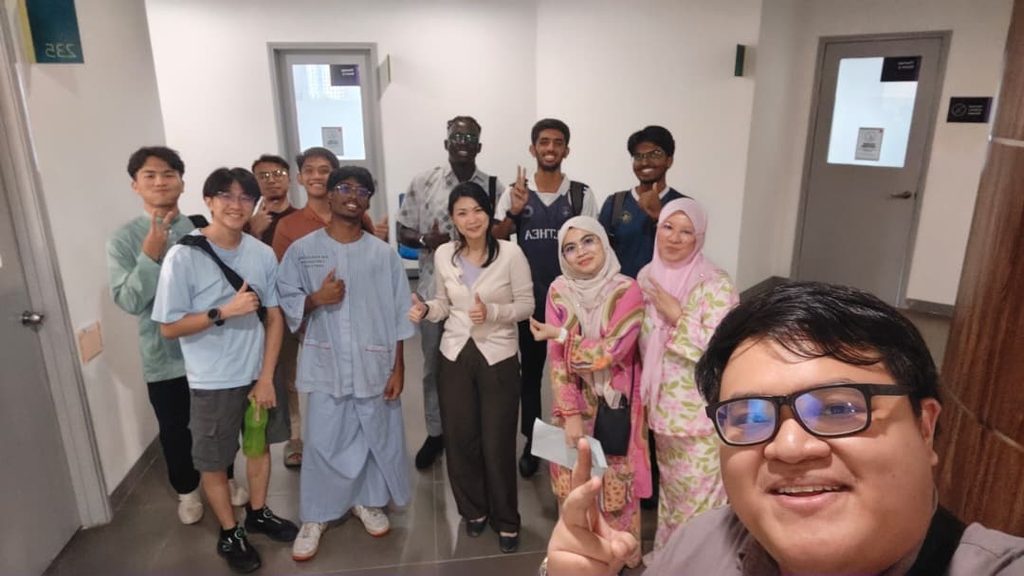
The initiative was led by Dr Atikah Abdul Latiff and Dr Sara Idris from the Department of Anatomy, Faculty of Medicine, with the support of Professor Tajmul, Dean of the Faculty of Medicine, and Dr Maria Zalina, Deputy Dean of Student Affairs. Faculty members, clinical instructors and student volunteers also contributed to the learning experience.
For Dr Maria Zalina, such opportunities reinforce the importance of continuous professional development.
“Learning in healthcare does not stop at the classroom or at graduation. Opportunities such as this allow our students and academic community to see how foundational knowledge is applied in real clinical and professional settings. By connecting anatomy, technology and clinical expertise, we are helping to foster a culture of continuous learning, collaboration and professional growth.”
Taking learning beyond the classroom
The involvement of UOC medical students as volunteers added another dimension to the workshop, exposing them to professional interactions between academics, clinicians and healthcare practitioners. By observing how knowledge is shared, updated and applied, students gained a broader appreciation of lifelong learning and interdisciplinary collaboration.
For the Faculty of Medicine, initiatives such as this reflect an approach to medical education that goes beyond conventional teaching. By combining academic expertise with practical training, healthcare technology, and clinical engagement, UOC creates opportunities for healthcare professionals and future doctors to strengthen their knowledge, develop relevant skills and remain responsive to the changing needs of healthcare.
This approach is also reflected in the Bachelor of Medicine and Bachelor of Surgery (MBBS) at UOC. The five-year programme combines Basic Medical Sciences and Clinical Sciences, with early clinical exposure helping students connect medical knowledge with healthcare practice.
Ultimately, the workshop demonstrates how meaningful medical education happens when knowledge is connected with practice. At UOC, the Faculty of Medicine continues to create learning experiences that connect anatomy, technology and clinical practice, equipping healthcare professionals and future doctors with the skills to learn, adapt and grow throughout their careers.
Ready to build your future in medicine?
At UOC, medical education connects strong scientific foundations with practical learning, clinical exposure and healthcare technology. Through its MBBS programme, students develop the knowledge, practical skills and adaptability needed to navigate the evolving healthcare landscape.
Explore the UOC Bachelor of Medicine and Bachelor of Surgery (MBBS) programme and take your first step towards becoming a future-ready medical professional.

