
National Tobacco Control Conference & Lung Health Summit 2026 Serves as Wake-Up Call to Strengthen Tobacco Control Policies and Protect Lung Health
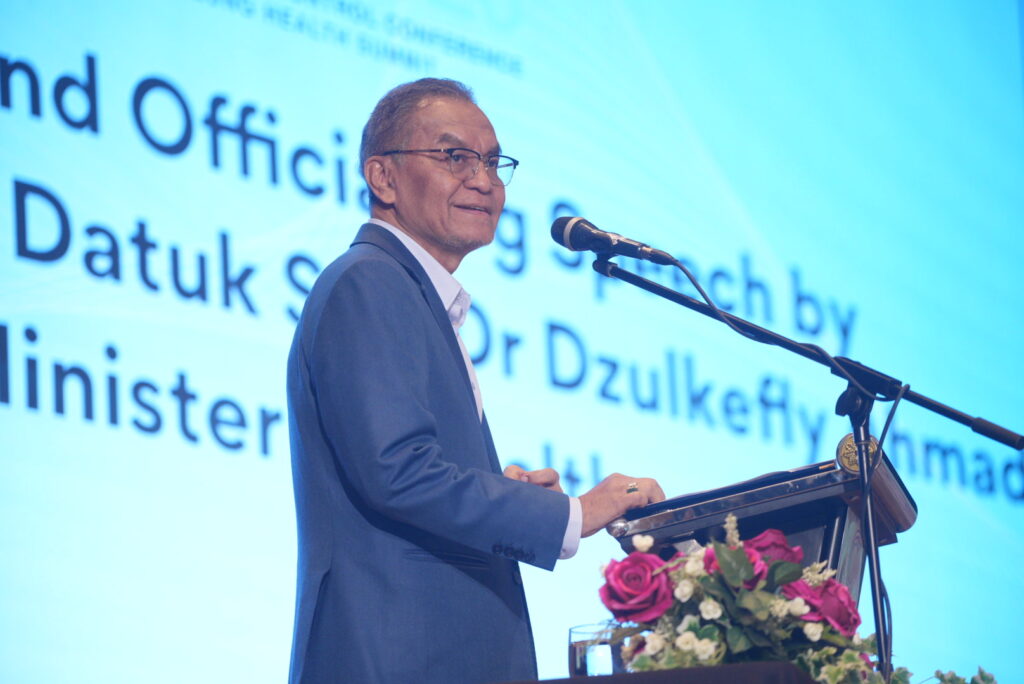
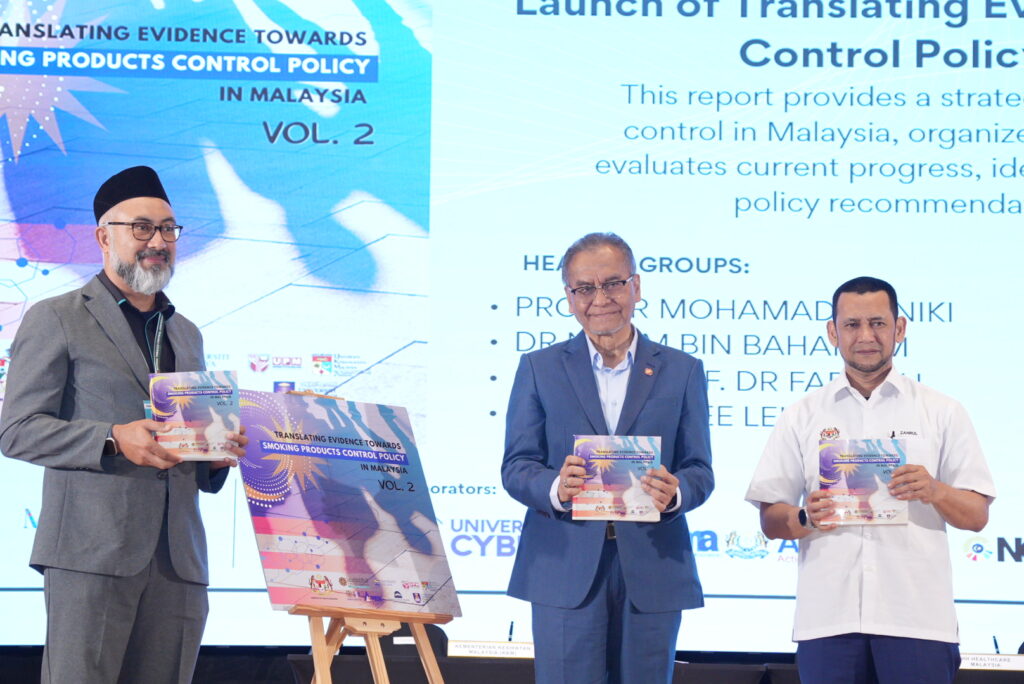
Lung health in Malaysia remains a critical health issue, driven largely by tobacco and vaping use, which continue to contribute to preventable diseases and deaths nationwide. In response to this urgent public health concern, the Malaysian Council for Tobacco Control (MCTC), in collaboration with the Ministry of Health (MoH) and The National Cancer Society of Malaysia (NCSM), concluded the three-day National Tobacco Control Conference & Lung Health Summit 2026, officiated by YB Datuk Seri Dr Dzulkefly Ahmad, Minister of Health.
Held from 8 to 10 May 2026 at the University of Cyberjaya, the conference brought together key stakeholders, healthcare professionals, and policymakers to address pressing challenges in tobacco control while advancing strategies to improve lung health outcomes in the country.
The urgency of these efforts is highlighted by lung cancer, which remains among the top three most common cancers in Malaysia. The current five-year relative survival rate stands at approximately 11 per cent, with an estimated 95 per cent of cases detected at late stages (Stage 3 or Stage 4), when treatment options are more limited and outcomes significantly poorer.
Malaysia continues to face a high burden of tobacco use. According to the Global Adult Tobacco Survey (GATS) Malaysia 2023, 19.5% of adults, approximately 4.8 million people, currently use tobacco products, including smoked, smokeless, and heated tobacco, while 5.8% (1.4 million adults) use electronic cigarettes. These figures represent a significant population at increased risk of chronic lung diseases, including lung cancer and other respiratory conditions such as Chronic Obstructive Pulmonary Disease (COPD).
Additionally, the rising prevalence of e-cigarette use among youths continues to be a growing concern. Findings from the National Health and Morbidity Survey (NHMS) 2022 show that the prevalence of e-cigarette use among adolescents aged 13 to 17 increased from 9.8% in 2017 to 14.9% in 2022. This trend signals a worrying trajectory, as early nicotine exposure increases the risk of long-term addiction and future lung health complications.
Recognising the need for stronger preventive measures, the government had previously introduced the Generational End Game (GEG) provision under the Control of Smoking Products for Public Health Act 2024 (Act 852), aimed at prohibiting the sale of tobacco and vape products to individuals born in 2007 and thereafter. Although the provision was later dropped, MCTC has called on the government to reconsider its inclusion as part of a comprehensive strategy to protect future generations from nicotine addiction and reduce the long-term burden of lung disease. The Ministry of Health has also previously stated during the National Tobacco Control Conference (NTCC) 2025 its goal of achieving a smoke-free Malaysia by 2040, underscoring the need for sustained and serious efforts to end smoking and vaping.
Kol. Bersekutu. (PA) Prof. Dr Murallitharan Munisamy, Managing Director of NCSM said, “The high rate of late-stage cancer diagnoses in Malaysia is a sobering reminder that our intervention strategies must evolve. By hosting the National Tobacco Control Conference and Lung Health Summit 2026, we are moving beyond traditional advocacy to equip healthcare professionals with the specific tools and policy frameworks needed to disrupt the cycle of nicotine addiction, reduce the burden of lung disease, and improve survival rates through better screening and early detection.”
He added, “We would also like to extend our appreciation to the University of Cyberjaya for its continued support in hosting this conference since last year, as well as to our partners for their commitment to advancing a healthier Malaysia and safeguarding the wellbeing of future generations.”
Prof. Dr David Whitford, Vice-Chancellor and Chief Executive of the University of Cyberjaya, said, “The University of Cyberjaya is proud to continue its collaboration with the National Cancer Society of Malaysia in supporting national efforts to reduce tobacco use, vaping-related harm, and the wider burden of lung disease. As a health sciences university, we see tobacco control not only as a public health priority, but also as an educational responsibility.”
“Universities have an important role in strengthening research, shaping evidence-based policy discussions, and preparing future healthcare professionals to address preventable disease with both scientific rigour and social responsibility. Conferences such as this bring together academia, healthcare professionals, policymakers, and civil society in exactly the kind of collaboration needed to improve public health outcomes and protect future generations,” he concluded