

Could Stem Cell-Free Therapies Change the Future of Healing?
Exploring the next frontier in regenerative medicine through the research of Professor Dr Rebecca Wong Shin Yee
What if the healing potential of stem cells could be harnessed without transplanting the cells themselves?
For years, stem cells have attracted significant scientific interest because of their ability to influence tissue repair and regeneration. Their potential applications span a wide range of medical conditions, from cardiovascular and joint disorders to kidney disease and immune-related conditions.
However, the use of living stem cells in medical treatments also presents challenges, including concerns surrounding safety, consistency, storage and the behaviour of transplanted cells.
An emerging area of regenerative medicine is exploring a different approach: using the biological substances released by stem cells rather than the living cells themselves.
At the University of Cyberjaya (UOC), Professor Dr Rebecca Wong Shin Yee is contributing to scientific explorations surrounding these promising developments through her research into mesenchymal stem cell (MSC)-free strategies.
Understanding the Science Behind Stem Cell-Free Therapies
Mesenchymal stem cells (MSCs) are a type of cell widely studied for their potential to support tissue repair and regulate biological processes.
Scientists have discovered that some of their therapeutic effects may be associated with the substances they release into their surrounding environment.
These substances include proteins, signalling molecules and tiny membrane-bound particles known as extracellular vesicles.
Often described as biological messengers, these components can facilitate communication between cells and influence processes such as inflammation, immune regulation and tissue repair.
This has led researchers to investigate whether the beneficial effects associated with MSCs could be reproduced using these cell-derived substances, without requiring transplantation of the living cells.
The approach is commonly referred to as cell-free therapy.
Rather than introducing living cells into the body, researchers are studying how carefully prepared cell-derived products might eventually be used to support healing and recovery.
What If We Didn't Need the Stem Cells Themselves?
In an article published in Molecular Biotechnology in June 2026, Professor Wong examined the advantages and potential applications of MSC-free strategies in regenerative medicine.
The research explores how substances released by mesenchymal stem cells could offer an alternative to conventional approaches involving the transplantation of living cells.
This distinction is important.
While live-cell therapies may offer therapeutic possibilities, their development and clinical application can involve challenges relating to cell viability, storage, quality control and potential adverse effects.
Cell-free approaches could potentially address some of these limitations by allowing researchers to investigate and develop therapeutic products without relying on the transplantation of viable cells.
However, these strategies also present their own scientific and regulatory challenges. Researchers must establish how the products are prepared, how consistently they perform, what doses are appropriate and whether they are safe and effective for patients.
For Professor Wong, the significance of this emerging field lies in its potential to broaden the possibilities of regenerative medicine.
Exploring New Possibilities for Healthcare
The potential applications of MSC-derived cell-free products are being investigated across several areas of medicine.
Cardiovascular health: Researchers are examining whether cell-derived biological messengers could help influence inflammation and tissue responses following cardiovascular injury.
Joint and musculoskeletal conditions: Studies are exploring their potential roles in regulating inflammation and supporting tissue repair in damaged or degenerating joints.
Kidney disorders: Scientists are investigating whether these approaches could help protect tissues and influence recovery processes associated with kidney injury.
Immune-related conditions: The ability of MSC-derived substances to influence immune responses has generated interest in their possible applications in inflammatory and immune-mediated disorders.
These areas remain subjects of ongoing investigation. Although findings from laboratory and preclinical studies have generated scientific interest, further research and well-designed clinical trials are needed before the safety and effectiveness of particular treatments can be established. The promise of cell-free therapies is therefore not that they have already replaced conventional treatments, but that they may offer additional pathways for future therapeutic development.
Making Tomorrow's Treatments Safer and More Reliable
One of the important questions in regenerative medicine is how emerging therapies can be developed into treatments that are safe, reproducible and suitable for clinical use.
Stem cell-free approaches may offer certain practical advantages over living-cell transplantation, including opportunities for more controlled manufacturing, storage and product characterisation.
Nevertheless, researchers must still address important questions about the composition, potency, stability and long-term safety of these products.
These considerations are particularly relevant as regenerative medicine moves from experimental research towards potential clinical applications.
By examining the scientific opportunities and limitations of MSC-free strategies, Professor Wong’s work contributes to a broader effort to understand how future therapies might be developed responsibly and supported by robust evidence.
Recognising Research Excellence at the University of Cyberjaya
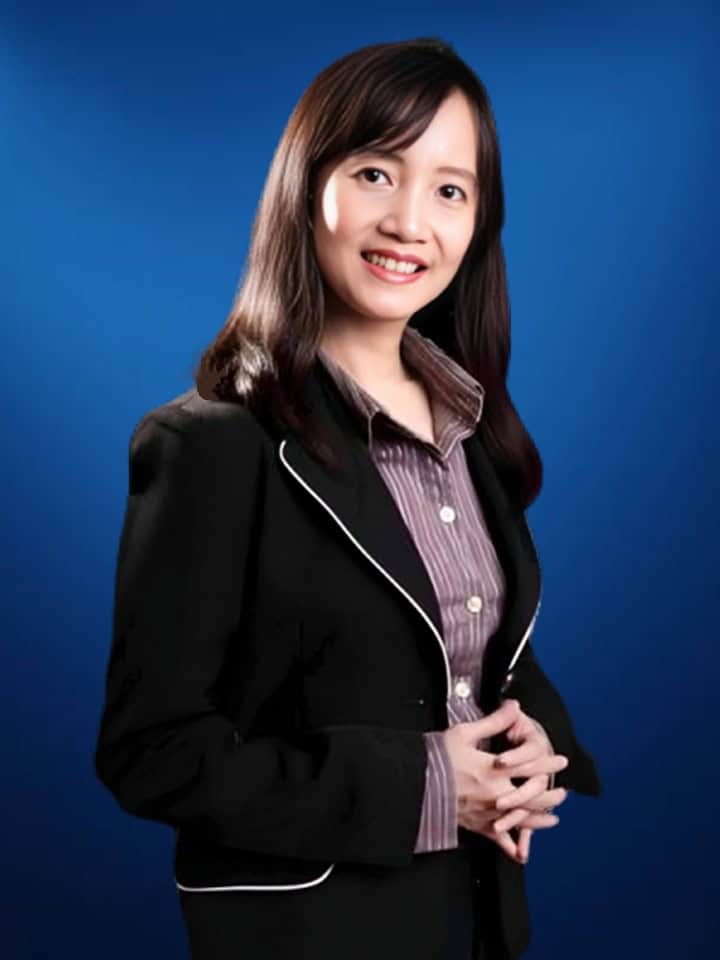
Professor Dr Rebecca Wong Shin Yee is the Head of Medical Education at the Faculty of Medicine and Associate Director of the Centre for Learning and Teaching at the University of Cyberjaya.
Her academic interests include mesenchymal stem cells, regenerative medicine and medical education research.
Her contributions to scientific research have also earned international recognition through her inclusion in the World's Top 2% Scientists listing, based on the Stanford University and Elsevier database, with single-year recognition spanning 2021 to 2026, alongside career-long recognition from 2023 to 2026.
This recognition reflects her research contributions and scholarly impact within the international scientific community. At UOC, such achievements highlight the importance of connecting academic expertise with research questions that have the potential to shape future healthcare practices.
Big Minds. Real-World Impact.
The future of medicine depends not only on discovering new treatments, but also on understanding how scientific advances can be translated into safer, more effective and more accessible healthcare.
Research into MSC-free strategies represents one of the many emerging directions being explored in regenerative medicine. Through the work of academics such as Professor Rebecca Wong, the University of Cyberjaya continues to contribute to scientific knowledge and encourage research that addresses meaningful healthcare challenges.