
Same Medicine, Different Reactions: Could Your DNA Hold the Answer?
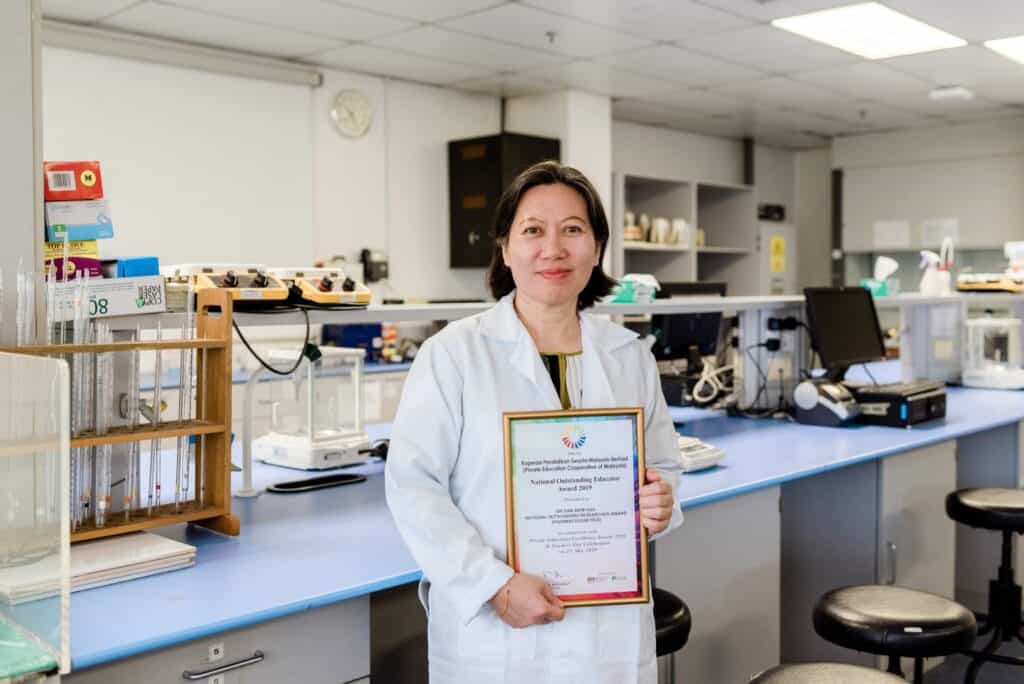
Research by University of Cyberjaya academic Prof. Dr Gan Siew Hua explores how genetic differences influence medication responses, generating pharmacogenomic evidence relevant to Malaysian and other Asian populations.
Why Does the Same Medicine Affect People Differently?
Two patients taking the same medicine at the same dose may respond differently—one benefits, while the other experiences limited effectiveness or adverse reactions.
These differences can arise from age, body weight, other medications and genetic variation, which may affect how the body processes and responds to medicines.
At the University of Cyberjaya (UoC), Prof. Dr Gan Siew Hua investigates how genetic variations modify drug responses, focusing on generating evidence relevant to Malaysian and other Asian populations.
Why Asian-Specific Pharmacogenomic Research Matters
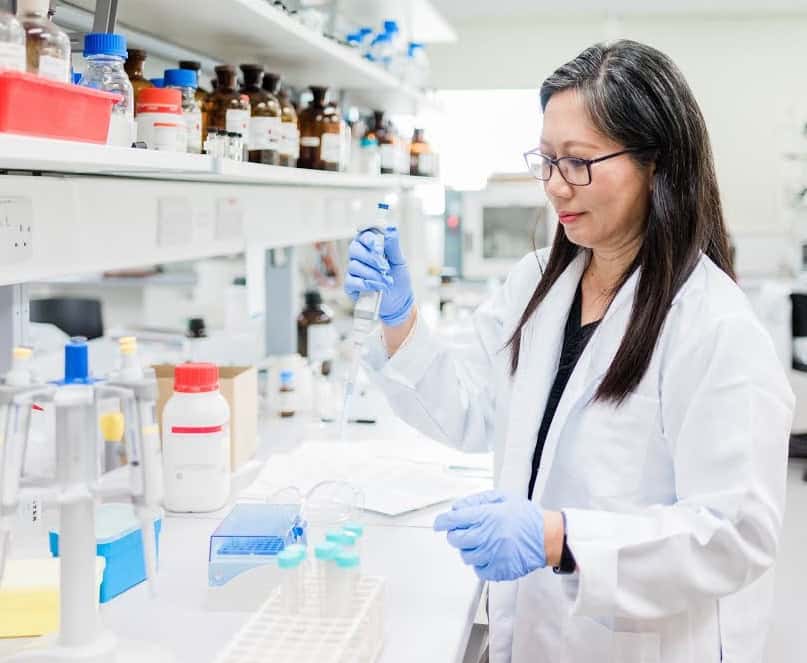
Pharmacogenomics examines how genetic differences affect medication effectiveness and safety. Certain genetic variations can alter drug-metabolising enzymes or drug targets, potentially changing therapy outcomes and the risk of adverse reactions.
Although researchers have studied many medicines extensively in Western populations, the findings may not fully reflect Asian genetic diversity. Differences in genetic makeup, body weight, and other physiological characteristics can affect how people respond to medication and their dosing needs.
This does not mean that established treatments or doses are necessarily unsuitable for Asians. Instead, it highlights the need for population-specific evidence to assess how well existing findings and recommendations apply to local patients.
Prof. Gan's research tackles this gap by investigating multiple genes and medicines in Malaysian and other Asian populations, contributing data to improve understanding of genetic influences on medication responses.

Investigating Genetic Differences Across Medicines
Her research spans several therapeutic areas, demonstrating the value of understanding gene–drug interactions.
Warfarin — Anticoagulation
Warfarin prevents and treats blood clots. Prof. Gan's research examines VKORC1 and CYP2C9 variations, including CYP2C9*3, among Malay and Chinese patients. The findings show the value of genotype-guided dose prediction while showing that genetic information alone cannot fully explain individual warfarin dose requirements.
Imatinib — Cancer Treatment
Used to treat chronic myeloid leukaemia, imatinib is another focus of her research. Studies examining CYP3A5*3 and CYP3A4*18 investigate how genetic variations may influence imatinib metabolism and treatment response.
Repaglinide — Diabetes Treatment
Prof. Gan's research studies how CYP3A4*18 influences repaglinide pharmacokinetics—how the body processes the medicine—in healthy Malaysian subjects. This work helps explain genetic factors that may influence medication exposure and individual responses.
Together, these studies show how genetic information can help explain differences in medication responses, while illustrating the importance of considering other clinical factors.
From Genetic Data to Safer Prescribing
Generating pharmacogenomic data is only the first step; its value lies in how the evidence can inform clinical practice.
For selected medicines, pharmacogenomic information may help healthcare professionals:
- Identify risks: Recognise genetic changes associated with specific adverse drug reactions.
- Guide treatment selection: Evaluate alternative medicines when genetic findings show possible risks or reduced benefit.
- Inform dosage decisions: Integrate genetic results with body weight, medical history and other clinical factors.
- Support personalised care: Combine genetic information with clinical evidence to make more informed treatment decisions.
Genetic testing cannot predict every adverse reaction and is not necessary for every patient. Its usefulness depends on the medicine and the strength of the supporting evidence. Research involving Asian populations helps establish a more relevant evidence base for testing these applications in local healthcare.

Research with Real-World Impact
At the University of Cyberjaya, Prof. Gan's pharmacogenomics research addresses an important question: Does the evidence guiding medication use adequately reflect the populations receiving treatment?
From blood thinners and cancer therapies to diabetes treatment, her research reveals the importance of appreciating genetic differences across populations. By generating pharmacogenomic data relevant to Malaysian and other Asian populations, she strengthens the scientific foundation for evaluating medication safety and effectiveness.
Her scientific contributions have also been recognised through her inclusion in the World's Top 2% Scientists listing for 2026 for the fifth consecutive year, based on the Stanford University and Elsevier database.
The future of safer prescribing depends not only on developing new medicines, but also on generating the right evidence to understand how existing medicines work in different populations.
Big Minds. Real-World Impact.